
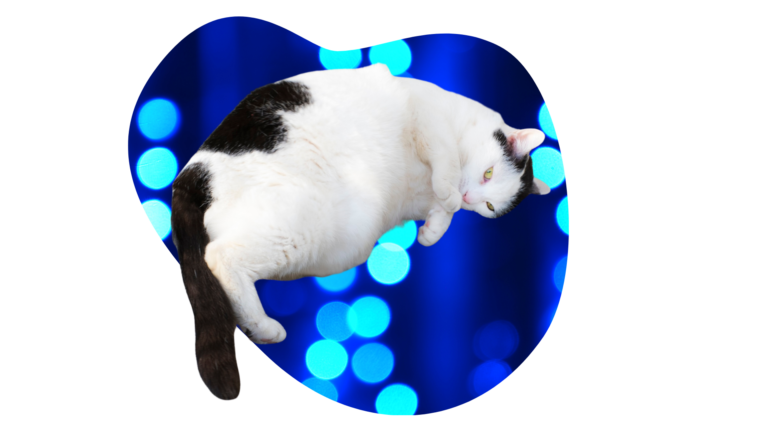
Noticing less definition at the waist or a little more effort during play may leave you wondering whether you have an overweight cat. Weight changes often develop gradually. Paying attention to body shape, eating habits, and activity is a useful place to start. Mariemont Veterinary Clinic has this article for cat owners in Cincinnati about how to get a clearer picture of current weight and any factors contributing to the change.
Why Excess Weight Deserves Attention
Extra body fat places additional strain on a cat’s joints and may make jumping, grooming, or active play more difficult. An overweight cat faces greater risk for diabetes, arthritis, urinary concerns, and other health problems. Reduced mobility affects daily comfort and quality of life, particularly as cats grow older. Addressing weight changes early gives your veterinarian an opportunity to evaluate overall health and discuss a safe approach to weight management.
What Might Be Driving Your Cat’s Weight Gain?
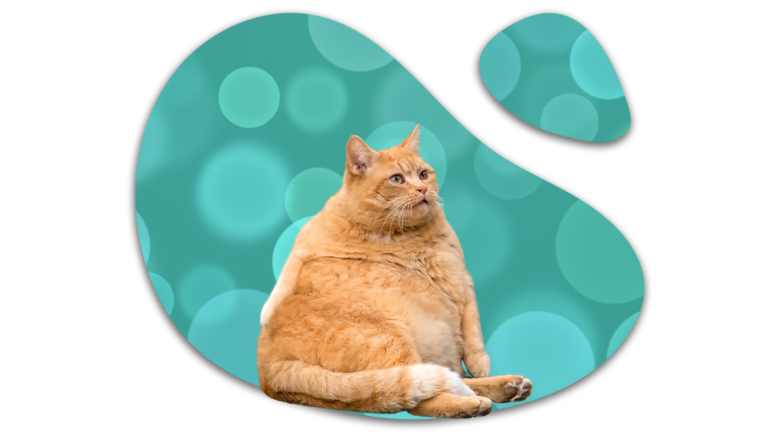
Food intake is one of the most likely reasons cats gain excess weight, especially when portions exceed energy needs or treats add substantial calories. Lower activity levels may contribute when a cat’s routine becomes more sedentary. Age, metabolism, and spay or neuter status may influence calorie needs as well. In some cases, a medical condition or medication may be involved, which makes unexplained weight gain worth discussing with a veterinarian.
Checking Your Cat’s Body Condition at Home
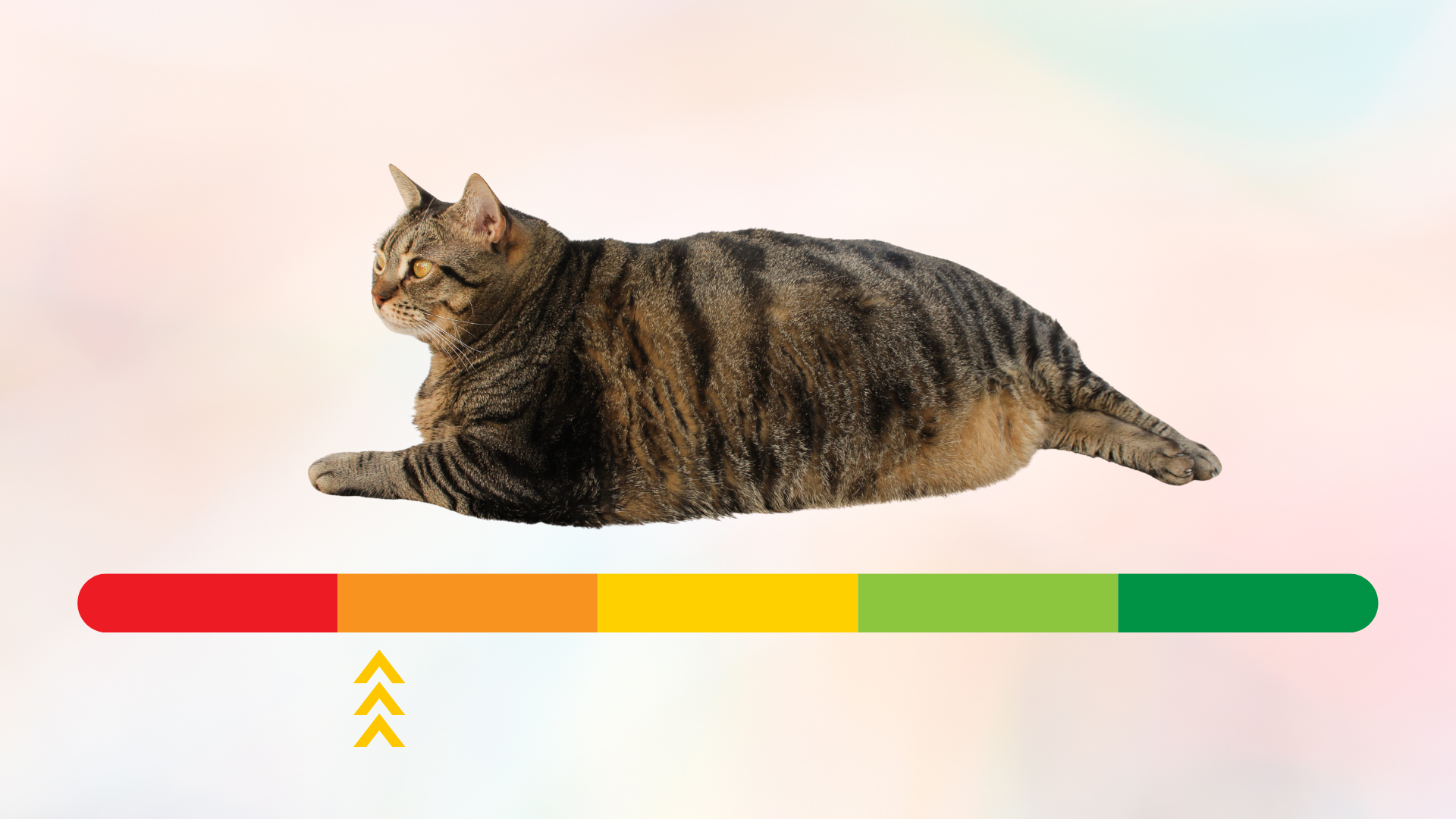
Look at your cat from above and from the side, then gently feel along the rib area. A cat at a healthy weight usually has some waist definition, while the ribs should be noticeable beneath a light layer of tissue. A rounded outline, little visible waist, or ribs that are difficult to feel may suggest an overweight cat. Use this at-home scoring chart for cats as a visual reference, then discuss your observations with your veterinarian rather than treating the chart as a diagnosis.
When a Weight Change Calls for a Vet Visit
Schedule a veterinary visit when your cat begins gaining weight, especially when the change seems sudden or appears alongside shifts in appetite, thirst, activity, grooming, or litter box habits. Mariemont Veterinary Clinic provides weight management as part of its full-service veterinary offerings. A veterinarian may review body condition, feeding portions, treats, activity, medications, and relevant health concerns before discussing next steps.
Three Smart Habits for Feline Weight Management
- Avoid crash diets or severe food restriction, since rapid weight loss in cats carries serious health risks.
- Measure meals and treats consistently, and keep a simple record of daily food intake for your veterinarian to review.
- Ask your veterinarian about appropriate calorie goals, feeding routines, and activity instead of relying on online diet advice.
Local Weight Management for an Overweight Cat in Cincinnati, OH
Mariemont Veterinary Clinic serves cat owners from Cincinnati, Middletown, and Dayton with veterinary care for cats and other pets. If you are concerned about an overweight cat, book an appointment to discuss recent weight gain, nutrition, or changes in your cat’s routine.