
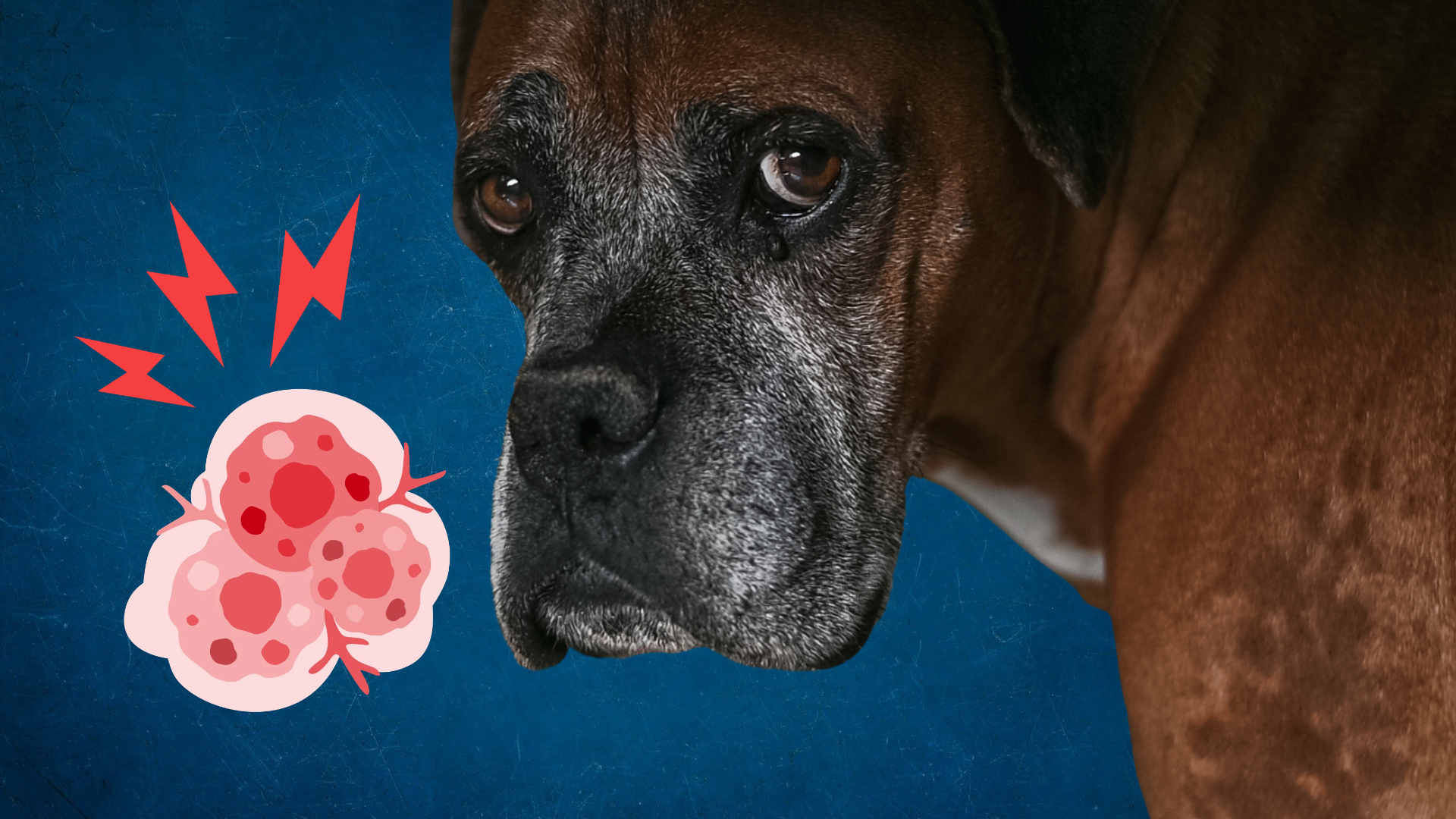
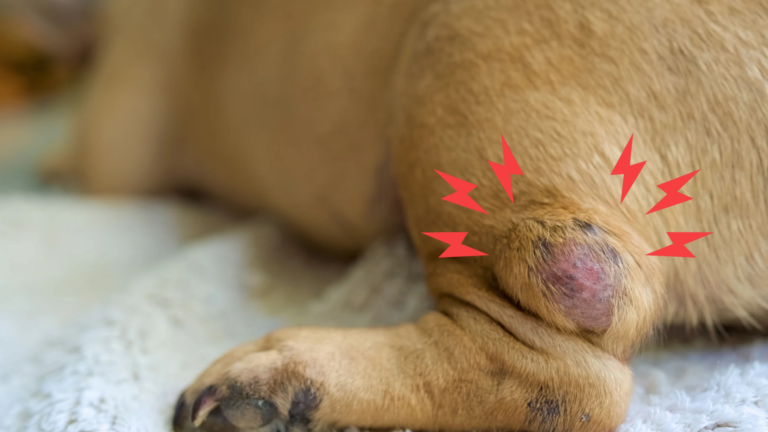
Perhaps you noticed a raised spot while drying your dog after a bath, or your hand brushed against a bump during a cuddle. Discoveries like these often bring questions about cancer in dogs, especially when you do not know how long the growth has been there. A lump deserves a closer look, but it does not give you a diagnosis on its own.
If you are a dog owner in Cincinnati and you find a new growth, an exam at Mariemont Veterinary Clinic can give you a clearer understanding of what to do next.
A Lump Can Be Benign or Cancerous
Fatty growths, cysts, infections, and inflammation can all cause bumps on or beneath a dog’s skin. Some masses are benign, meaning they do not invade nearby tissues or spread to other parts of the body, although they may still cause irritation. Others are cancerous and require a different approach to care.
The risk of cancer in dogs increases with age, and some breeds are predisposed to certain types, but neither a dog’s age nor breed determines what a specific lump contains. About 25% of all dogs will get cancer in their life, so you should take a lump on your pet seriously.
Changes That Should Prompt a Veterinary Visit
Contact Mariemont Veterinary Clinic about a new lump or one that changes in size, color, texture, or comfort. Possible signs of cancer in dogs, other than a mass, include unexplained weight loss, difficulty breathing, sores that will not heal, unusual bleeding from body openings, stiffness, and changes in energy or appetite. These signs can also point to other conditions, so they warrant an exam at the vet rather than an assumption about cancer.
Share any persistent changes in your dog’s daily habits, including symptoms that seem unrelated to the growth.
What an Examination Can Tell You About Your Dog’s Lump
Your veterinarian will ask when you noticed the lump, whether it has changed, and whether your dog has been licking, scratching, or protecting the area. Examining your pet provides useful information, but a mass cannot always reliably be identified as cancerous or noncancerous by sight or touch alone.
Depending on the findings, a veterinarian may suggest a biopsy. The results guide recommendations about monitoring, further diagnostics, treatment, or referral to a specialist, rather than relying on the growth’s appearance.
Learn What Is Normal for Your Dog
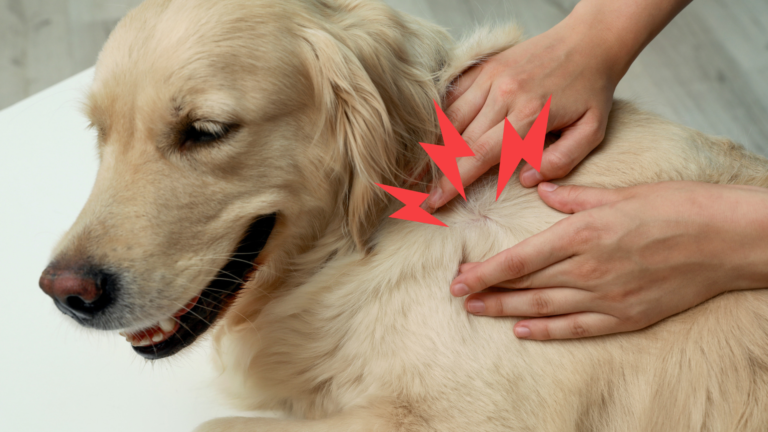
Regular brushing and relaxed petting offer opportunities to notice unfamiliar areas beneath your dog’s coat. Gently check along your dog’s body noting bumps without pressing or squeezing them. Make sure to check inside their mouth, too!
Stop if your pet seems to have pain in a particular area. If you do find something unfamiliar on your pet’s body, it is best to check in with a veterinarian.
Some Cancers Develop Out of Sight
Not every case of cancer in dogs creates a lump you can see or feel at home. Disease involving internal organs or blood cells may first cause changes in weight, appetite, stamina, or behavior. Persistent symptoms deserve an evaluation even when your dog’s skin seems unchanged. Tell your dog’s veterinarian when something has changed rather than waiting for a visible growth to appear.
Schedule a Lump Check for Your Dog in Cincinnati, OH
Mariemont Veterinary Clinic provides veterinary care for dog owners from Cincinnati, Middletown, Dayton, and our surrounding area.. If you have found a lump on your pet, book an appointment to discuss your concerns and arrange an examination.
Try to take the discovery one step at a time instead of assuming the worst. If cancer is diagnosed, we will give you a foundation for decisions about your dog’s care.